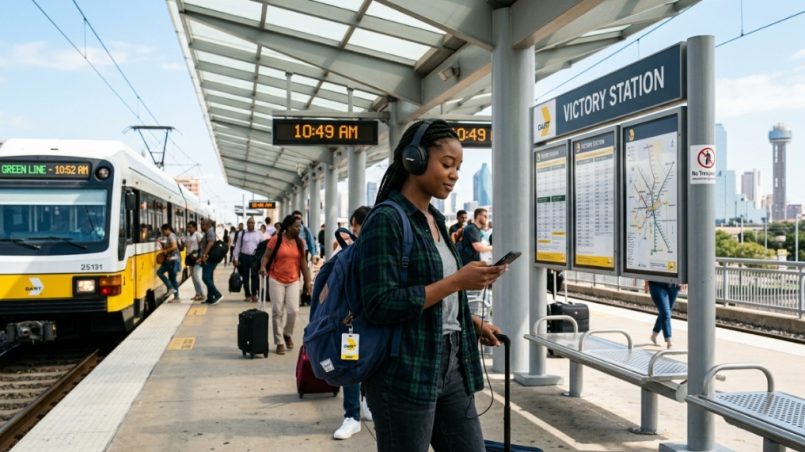
Texas commutes are a different beast. Whether you’re battling I-35 gridlock in Austin, enduring the hum of a Dallas DART train, or cruising the dusty highways outside Houston, your ears deserve better than road noise and wind buffeting. You need gear that handles heat, humidity, and long drives without breaking a sweat—literally. If you’ve been searching for reliable Bose headphones for Texas commute, you already know the brand delivers top-tier noise cancellation and comfort. But which model actually survives a Texas summer, fits your daily routine, and gives you the clearest audio for podcasts, calls, and music? This guide breaks down every factor so you can make a confident, informed decision that matches the Lone Star State’s unique demands.
What Makes a Commute Headphone Ideal for Texas Conditions?
Texas presents four distinct challenges for headphones: extreme heat, high humidity, prolonged sitting in traffic, and noisy public transit. The ideal pair must balance active noise cancellation, breathable materials, battery stamina, and reliable connectivity without melting or fogging up.
Heat and Humidity Resistance
Leather ear cups trap sweat and heat, making summer drives miserable. Bose uses protein leather and acoustic mesh on models like the QuietComfort Ultra and QC45. These materials wick moisture away from your skin better than cheaper foams. Choose a pair with plush, breathable ear cushions if you park in direct sunlight or take the bus in July.
Noise Cancellation for Variable Environments
Texas commutes aren’t uniform. You might drive a loud pickup truck one day and ride a silent train the next. Bose’s proprietary ANC adjusts in real time, filtering out engine rumble while preserving important sounds like honks or station announcements. This adaptive feature is non-negotiable for safety and comfort.
Battery Life for Long Hauls
San Antonio to Dallas via I-35 can take four hours with traffic. A headphone that dies after 10 hours forces you to choose between silence and charging cable frustration. Bose models offer 22–30 hours of playback, easily covering a round trip without panic.
Which Bose Headphone Is Best for Driving in Texas?
For driving, the Bose QuietComfort 45 is the most practical choice because of its balanced ANC, lightweight frame, and long battery life. It blocks road noise without isolating you completely from essential traffic sounds.
QuietComfort 45: The Road Trip Champion
The QC45 sits comfortably on your head for hours and weighs only 8.5 ounces. Its ANC has a dedicated “Aware Mode” that lets in ambient sound when you need it—perfect for paying tolls or hearing a siren. The battery lasts 22 hours on a single charge, and a 15-minute quick charge gives you three more hours. For under $300, this model is a no-brainer for daily drivers.
QuietComfort Ultra: Premium Immersion for Long Drives
If you drive long distances frequently, the QuietComfort Ultra offers spatial audio and even deeper noise cancellation. Its Immersive Audio mode makes podcasts feel like you’re sitting in a recording studio. However, the bulkier design can feel warm during summer drives. Stick with the QC45 if heat is a major concern.
Is the Bose QuietComfort Ultra Good for Texas Public Transit?
Yes, the QuietComfort Ultra excels on public transit because of its adjustable ANC modes and premium spatial audio, which help drown out train clatter and chatter while staying comfortable during standing commutes.
Noise Cancellation Modes for Busy Stations
Unlike older models, the Ultra lets you toggle between Quiet, Aware, and Immersion modes. On a crowded Houston Metro bus, switch to Quiet mode to block the hum. Walking through a station? Use Aware mode to hear announcements without removing the headphones.
Comfort During Crowded Rides
Texas heat hits inside a bus too. The Ultra uses a metal-reinforced headband that flexes without pinching. The ear cups are deeper than the QC45, reducing pressure on your ears during a bumpy ride. Just note that the Ultra’s case is larger—if you carry a backpack, the QC45 packs down flatter.
How Does Noise Cancellation Perform in Texas Summer Heat?
Bose ANC maintains its performance even in 100°F temperatures. The adaptive microphones adjust sensitivity based on external noise, but the electronics handle heat dissipation well—no performance degradation has been reported in extreme heat.
Sweat and Moisture Risks
You aren’t running a marathon during your commute, but sweat still accumulates. Bose ear cushions are replaceable, which is a lifesaver. If you notice them getting sticky after a few months, order replacements. Never use alcohol wipes—they damage the coating. Instead, gently clean with a damp microfiber cloth, Explore more options in our guide on Headphones for Flights, Work, and Daily Life.
Ventilation and Cooling Design
Newer Bose models include small ventilation channels behind the ear cup foam. This reduces heat buildup compared to older designs. If you drive an older car without good AC, prioritize the QC45 over the Ultra—its slimmer profile stays cooler on your skin.
Can You Wear Bose Headphones With Prescription Sunglasses?
Yes, Bose headphones are compatible with glasses. The ear cups are padded enough to prevent pressure against frames, and the headband rests above your temples, avoiding frame interference.
Tips for Glasses Wearers
Choose over-ear models like the QC45 or Ultra rather than on-ear styles. Over-ear cups create a seal around your ears, not on them. If you wear thick frames, adjust the headband so the cups sit slightly lower on your ears. This prevents the glasses from pushing into the foam.
Model-Specific Comfort for Glasses
The QC45’s ear cups are softer than the Ultra’s, which makes a big difference during a long drive. Many users report the QC45 as the most glasses-friendly Bose headphone. Avoid the Bose 700 if you wear wire-frame glasses—the clamping force is slightly higher and can cause discomfort after an hour.
Which Bose Headphone Handles Texas Dust and Road Debris Best?
The QuietComfort 45 is the best choice for dusty environments because its ear cups are sealed tighter than the Ultra’s, and it lacks exposed metal parts that can trap grit from wind or open windows.
Dust Resistance and Portability
Texas has dust, pollen, and road debris. The QC45 folds flat into a crush-resistant case, which protects it in your car or bag. The Ultra’s case is more rigid but less sealed—fine particles can still get inside. If you drive a convertible or often take dirt roads, the QC45 is the safer bet.
Maintenance Tips
After a dusty drive, wipe down the headband and ear cups with a dry cloth. Avoid blowing compressed air directly into the microphones—it can damage the ANC. Store the headphones in their case between uses to keep grit out of the hinges.
Is Bluetooth Connectivity Crucial for a Texas Commute?
Absolutely. Reliable Bluetooth is essential due to the varied distances between devices inside vehicles and potential interference from radio signals, GPS, and car systems. Bose uses Bluetooth 5.1 and 5.3 across recent models, which ensures stable connections even in dense urban areas.
Multipoint Connection for Switching Devices
Bose supports multipoint pairing, letting you connect to your phone and car system simultaneously. You can take a call on your phone while listening to GPS from your car. This feature saves fiddling with settings at red lights—just answer, and the headphones switch automatically.
Range and Signal Reliability
You can walk up to 30 feet from your phone or car without dropouts. In practice, this means you can leave your phone on the passenger seat while you run into a convenience store and still hear your podcast. For Texans who commute with a laptop or tablet, Bluetooth 5.3 (found on the Ultra) offers even lower latency for video calls.
How Does Battery Life Compare for Different Commute Lengths?
For short commutes (under 30 minutes), any Bose model works. For long hauls (1.5 hours each way), the QC45 and Ultra both offer enough capacity for a full work week without charging.
Battery Performance Table
| Model | Battery Life (ANC On) | Quick Charge (15 min) | Charge Time |
|---|---|---|---|
| Bose QuietComfort 45 | 22 hours | 3 hours playback | 2.5 hours |
| Bose QuietComfort Ultra | 24 hours (24 hours with Immersive off) | 2.5 hours playback | 3 hours |
| Bose Noise Cancelling 700 | 20 hours | 3 hours playback | 2.5 hours |
Practical Usage Scenarios
If you commute from Katy to Houston (50 minutes each way), you can charge the QC45 only once every two weeks. For longer trips from Austin to San Antonio, the Ultra’s extended battery ensures you don’t get stranded without sound halfway through a podcast series.
What Features Matter Most for Texas Commuters?
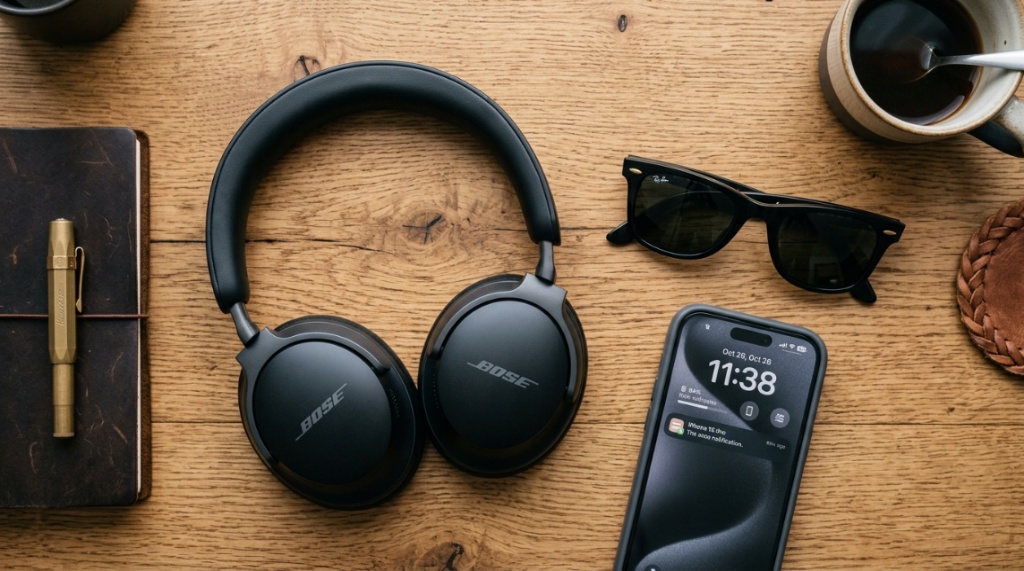
Noise cancellation, comfort, battery life, and portability top the list. However, Texas commuters also prioritize call quality, physical button layout, and the ability to hear emergency vehicles.
Call Quality and Microphone Performance
If you take work calls during your commute, the Bose 700 has the best microphone array of any Bose headphone. It isolates your voice from road noise extremely well. The QC45 and Ultra are close, but the 700 remains the gold standard for hands-free conversation in a loud truck or near an open window.
Physical Buttons Versus Touch Controls
Texas summers mean sweaty hands. Touch controls can become finicky with moisture. The QC45 and 700 both offer physical buttons for volume, play/pause, and ANC modes. The Ultra relies more on touch gestures. If you regularly wear gloves during winter mornings or drive a truck, choose a model with buttons—they’re more reliable.
Emergency Sound Awareness
Bose headphones include “Aware Mode,” but it’s not the same as hearing protection. You still need to remove headphones in heavy traffic or when approaching sirens. Some users prefer bone conduction headphones for complete situational awareness, but Bose headphones for Texas commute strike the best balance between immersion and awareness if you use them responsibly.
How to Extend the Life of Bose Headphones in Texas Climate
With proper care, your Bose headphones can last 4–5 years despite Texas heat and humidity. The main threats are sweat, direct sunlight, and leaving them in a hot car.
Storage Do’s and Don’ts
Never leave headphones in direct sunlight on your dashboard. Temperatures can exceed 150°F, which warps plastic and kills batteries. Always store them in their case, ideally in the glove box or under a seat. If your car lacks shade, bring them into your office or bag.
Cleaning Routine
Clean ear cups once a month with a slightly damp cloth. Use isopropyl alcohol sparingly—it strips the coating. Replace ear cushions every 12–18 months if you commute daily. Bose sells official replacements for around $30, which is cheaper than buying new headphones.
Battery Care
Lithium-ion batteries degrade faster in heat. Avoid letting your headphones drop to 0% battery regularly. Instead, charge them to 80% before long trips. If you store them for months, keep them at 50% charge in a cool place.
Which Accessories Make Your Commute Better?
Three accessories can dramatically improve your experience: a hard carrying case, a car charger, and replacement ear cushions. Bose includes a case with every model, but investing in a silicone skin or pouch adds extra protection against drops.
Car Chargers and Cables
Bose headphones charge via USB-C. A 12V car charger with a fast-charging port ensures you can top up during traffic jams. A 2-foot cable is easier to manage in a car than a 3-foot cable. Keep a spare in your glove box.
Headphone Hooks for Your Car
A hanging hook attached to the headrest lets you store headphones within reach without crushing them in a seat pocket. This prevents scratches and keeps the ear cups clean. Just avoid placing them near a window if you park in direct sun.
Frequently Asked Questions
Are Bose QuietComfort headphones good for Texas summer?
Yes, Bose QuietComfort headphones handle Texas summer well. They use moisture-wicking ear cushions and aluminum headbands that withstand heat. Avoid leaving them in a car below a windshield where direct sunlight can damage internal components.
Can Bose headphones connect to two devices at once?
Yes, Bose QuietComfort and 700 models support multipoint Bluetooth. You can connect your phone and car, or phone and laptop, and switch between them seamlessly without re-pairing.
Which Bose headphone is best for glasses wearers?
The Bose QuietComfort 45 is the most comfortable for glasses wearers because of its soft, deep ear cups that minimize pressure on frames. Many users recommend it over the Bose 700 for daily use with glasses.
Do Bose headphones work with Android and iOS?
Yes, Bose headphones work with both Android and iOS. They support AAC and SBC codecs natively, so you get high-quality audio on both platforms. The Bose Music app is available on both stores for tweaking EQ and ANC.
How long does it take to charge Bose headphones fully?
Most Bose headphones charge fully in 2.5 to 3 hours using a standard USB-A to USB-C cable. A 15-minute quick charge gives you 2 to 3 hours of playback, depending on the model.
Can you use Bose headphones for phone calls in a noisy car?
Yes, especially the Bose 700 which has an adaptive microphone system that isolates your voice from road noise. The QC45 and Ultra also perform well, but the 700 remains the best for hands-free calls in loud environments.
How do I clean Bose ear cushions after a sweaty commute?
Wipe the ear cushions with a damp microfiber cloth after each use if you’ve been sweating. Do not use alcohol wipes. For deep cleaning, remove the cushions and hand wash them with mild soap and water, then air dry completely.
Final Thoughts on Choosing Your Commute Headphones
Your commute in Texas is personal—long highways, crowded trains, or dusty back roads. The right Bose headphones make that time yours, whether you’re diving into a podcast, cranking up some country, or just enjoying the silence. Focus on a model that matches your primary commute type: the QC45 for versatile driving and transit, the Ultra for premium audio and longer battery, or the 700 for crystal-clear calls. Prioritize comfort and heat resistance over flashy features, because in Texas, practicality wins. Ordering a pair today transforms your commute from a chore into a ritual.