California’s thriving tech ecosystem makes it the perfect launchpad for mobile apps with viral potential. With over 250,000 tech companies and a population that embraces innovation, the Golden State offers unparalleled opportunities for app developers. In 2026, the global mobile app market is projected to generate over $935 billion in revenue, with California contributing a significant share. However, standing out in this competitive landscape requires more than just a great idea—it demands a strategic app launch strategy tailored to the unique dynamics of the California market. This guide explores how to launch a viral mobile app in California, offering actionable insights to help you capture attention, engage users, and achieve explosive growth.
Why California Is the Ideal Place to Launch a Viral Mobile App
California’s culture of innovation, combined with its dense population of early adopters, creates a fertile ground for viral mobile apps. The state is home to Silicon Valley, the world’s leading tech hub, as well as vibrant startup scenes in Los Angeles, San Diego, and Sacramento. A 2025 report by the California Technology Association found that 40% of the most successful mobile apps in the U.S. originated from California startups. Additionally, the state’s diverse and tech-savvy population is eager to try new apps, making it easier to gain traction and spread word-of-mouth buzz.
Moreover, California’s robust infrastructure for startups, including access to venture capital, co-working spaces, and networking events, provides the resources and support needed to turn a great app idea into a viral sensation. Therefore, launching a viral mobile app in California can give you a competitive edge and accelerate your path to success.
Key Steps to Launch a Viral Mobile App in California
1. Validate Your App Idea
Before investing time and resources into development, validate your app idea to ensure it meets a real need or solves a specific problem. Conduct market research to identify your target audience and understand their pain points. Use tools like Google Trends, SurveyMonkey, or social media polls to gather insights.
Additionally, analyze your competitors to identify gaps in the market. Look for apps with similar functionalities and assess their strengths, weaknesses, and user reviews. This can help you refine your app’s unique value proposition and differentiate it from existing solutions.
2. Develop a Minimum Viable Product (MVP)
An MVP is a simplified version of your app that includes only the core features necessary to solve the primary problem for your target audience. Developing an MVP allows you to test your app’s concept, gather user feedback, and iterate quickly without over-investing in development.
Focus on creating a seamless and intuitive user experience. Prioritize features that deliver the most value to users and address their pain points. For example, if your app is designed to help users find local events in California, start with a basic search function and a simple interface for event listings.
3. Leverage California’s Tech Resources
California offers a wealth of resources to help you develop and launch your app. Take advantage of the following:
- Co-Working Spaces and Incubators: Join co-working spaces like WeWork, The Wing, or industry-specific incubators like Y Combinator or 500 Startups. These spaces provide access to mentorship, networking opportunities, and resources to help you grow your app.
- Venture Capital and Funding: California is home to numerous venture capital firms, angel investors, and crowdfunding platforms. Research funding options that align with your app’s stage and goals. Platforms like AngelList, Kickstarter, and Indiegogo can help you secure the capital needed to scale.
- Tech Communities and Meetups: Engage with local tech communities and attend meetups, hackathons, or conferences. Websites like Meetup.com and Eventbrite list events where you can connect with other developers, designers, and entrepreneurs. For example, attending a mobile app development meetup in San Francisco can provide valuable insights and collaborations.
4. Create a Pre-Launch Buzz
Building anticipation before your app’s official launch can significantly boost its chances of going viral. Use the following strategies to create a pre-launch buzz:
- Landing Page: Create a simple landing page for your app that highlights its key features, benefits, and a sign-up form for early access or beta testing. Use tools like Unbounce, Leadpages, or Carrd to design a visually appealing and conversion-focused page.
- Social Media Teasers: Share sneak peeks, behind-the-scenes content, and countdowns to your app’s launch on platforms like Instagram, Twitter, and LinkedIn. Use hashtags like #ViralMobileAppCalifornia or #CaliforniaStartupApp to increase visibility.
- Email Marketing: Build an email list of potential users and send regular updates about your app’s development, features, and launch timeline. Use platforms like Mailchimp or ConvertKit to automate your campaigns.
- Influencer Partnerships: Collaborate with influencers or bloggers in your niche to promote your app. Offer them early access or exclusive content in exchange for reviews, testimonials, or social media shoutouts.
5. Optimize for App Store Success
Your app’s visibility in the Apple App Store and Google Play Store is critical for attracting users. Optimize your app’s listing with the following elements:
- App Name: Choose a clear, memorable, and keyword-rich name for your app. Include relevant keywords to improve its discoverability in search results.
- App Icon: Design an eye-catching and recognizable icon that reflects your app’s brand and functionality.
- App Description: Write a compelling and informative description that highlights your app’s unique features and benefits. Use keywords naturally to improve search rankings.
- Screenshots and Videos: Include high-quality screenshots and a demo video that showcase your app’s interface and functionality. Use captions to explain key features and use cases.
- Keywords: Research and use relevant keywords in your app’s metadata to improve its visibility in search results. Use tools like App Annie or Sensor Tower to identify high-performing keywords in your niche.
Additionally, encourage users to leave positive reviews and ratings, as these can significantly impact your app’s ranking and credibility.
6. Launch with a Bang
Your app’s launch day is a critical moment to generate excitement and attract users. Consider the following strategies to make a splash:
- Press Release: Write and distribute a press release announcing your app’s launch. Use platforms like PR Newswire or PRWeb to reach journalists, bloggers, and industry influencers.
- Launch Event: Host a virtual or in-person launch event to showcase your app’s features and engage with users. Invite local tech communities, investors, and media outlets to maximize coverage.
- Exclusive Offers: Offer limited-time promotions, discounts, or bonuses to early users. For example, provide a free premium feature for the first 1,000 downloads or a discount on in-app purchases.
- Social Media Blitz: Coordinate a social media campaign across all platforms to announce your app’s launch. Use eye-catching visuals, engaging captions, and relevant hashtags to increase reach.
7. Implement a Growth Strategy
Achieving viral growth requires a strategic approach to user acquisition and retention. Consider the following mobile growth tips to scale your app:
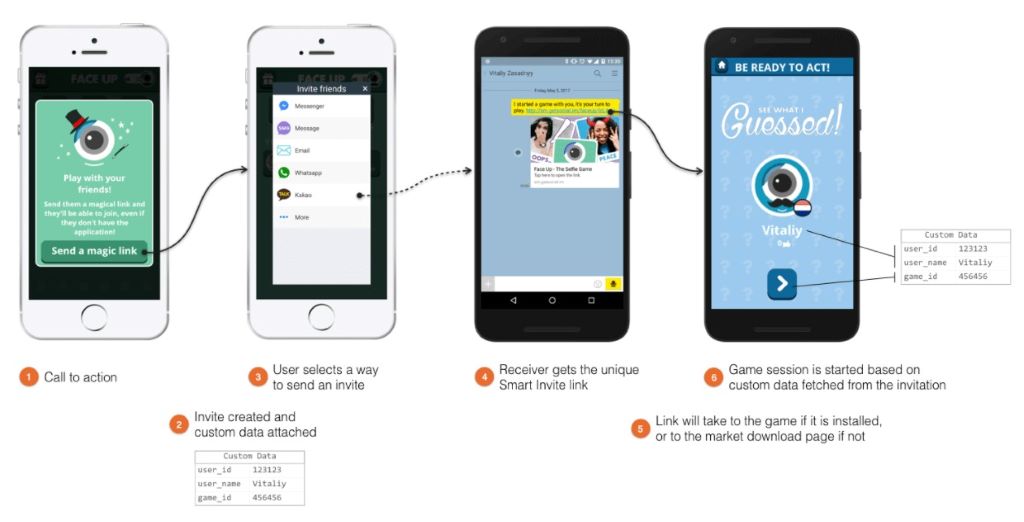
- Referral Programs: Incentivize users to invite their friends and family to download your app. Offer rewards like discounts, free features, or exclusive content for successful referrals.
- Content Marketing: Create blog posts, videos, or infographics that highlight your app’s features, use cases, or industry insights. Share this content on your website, social media, and other platforms to attract and engage users.
- Paid Advertising: Use platforms like Google Ads, Facebook Ads, or Apple Search Ads to promote your app to a targeted audience. Focus on high-intent keywords and demographics that align with your app’s value proposition.
- Partnerships and Collaborations: Partner with complementary businesses or apps to cross-promote each other’s offerings. For example, a fitness app could collaborate with a nutrition app to offer bundled services or joint promotions.
Professional Tips to Launch a Viral Mobile App in California
Tip 1: Focus on User Experience (UX)
A seamless and intuitive user experience is critical for retaining users and encouraging word-of-mouth referrals. Prioritize the following UX principles:
- Simplicity: Keep your app’s interface clean and easy to navigate. Avoid clutter and focus on the core functionalities that deliver value to users.
- Speed: Ensure your app loads quickly and responds promptly to user actions. Optimize images, minimize HTTP requests, and use caching to improve performance.
- Accessibility: Design your app to be accessible to users with disabilities. Use features like screen reader compatibility, high-contrast modes, and subtitles for videos.
Additionally, conduct user testing to gather feedback and identify areas for improvement. Use tools like UserTesting or Lookback to observe how users interact with your app and uncover usability issues.
Tip 2: Leverage Local Marketing
California’s diverse and localized markets offer opportunities to tailor your app’s launch to specific regions or communities. Consider the following local marketing strategies:
- Geo-Targeted Ads: Use platforms like Google Ads or Facebook Ads to target users in specific California cities or regions. For example, if your app is designed for local event discovery, focus your ads on users in Los Angeles, San Francisco, or San Diego.
- Local Influencers: Collaborate with local influencers or micro-influencers who have a strong following in your target market. Their endorsement can help you reach a highly engaged and relevant audience.
- Community Engagement: Participate in local events, sponsorships, or partnerships to build brand awareness and connect with potential users. For example, sponsor a tech meetup in Silicon Valley or host a workshop at a local co-working space.
Tip 3: Use Data to Drive Decisions
Data is a powerful tool for understanding user behavior, identifying trends, and making informed decisions. Use analytics tools like Google Analytics, Firebase, or Mixpanel to track key metrics such as:
- User Acquisition: Monitor the number of downloads, installations, and sign-ups to assess the effectiveness of your marketing efforts.
- User Engagement: Track metrics like session length, retention rate, and feature usage to understand how users interact with your app.
- Conversion Rates: Measure the percentage of users who complete desired actions, such as making a purchase, signing up for a premium feature, or referring a friend.
Use this data to refine your app’s features, marketing strategies, and user experience. For example, if you notice that users are dropping off at a specific point in your app, investigate the issue and make improvements to reduce friction.
Tip 4: Encourage User-Generated Content
User-generated content (UGC) can amplify your app’s reach and credibility. Encourage users to create and share content related to your app, such as:
- Reviews and Ratings: Ask users to leave positive reviews and ratings on the App Store or Google Play Store. Offer incentives like in-app rewards or exclusive content for honest feedback.
- Social Media Shares: Create shareable content, such as memes, challenges, or templates, that users can customize and post on their social media channels. Use hashtags like #ViralMobileAppCalifornia to increase visibility.
- Testimonials and Case Studies: Feature user testimonials or case studies on your website, social media, or marketing materials. Highlight how your app has solved specific problems or delivered value to users.
Tip 5: Iterate and Improve
Launching a viral mobile app in California is not a one-time event—it’s an ongoing process of iteration and improvement. Continuously gather user feedback, monitor performance metrics, and refine your app’s features and marketing strategies.
Use tools like AppFollow or Review Trackers to monitor user reviews and respond to feedback. Address negative reviews promptly and use constructive criticism to make meaningful improvements. Additionally, stay updated on industry trends and emerging technologies to ensure your app remains competitive and relevant.
Reviews: Success Stories from California Startups
California startups have achieved remarkable success by launching viral mobile apps. A fitness app developed in San Francisco gained over 1 million downloads in its first year by leveraging influencer partnerships and a referral program. The app’s focus on personalized workouts and community engagement resonated with users, leading to rapid growth and a strong following.
Meanwhile, a food delivery app in Los Angeles went viral after implementing a unique feature that allowed users to discover local, hidden gem restaurants. By focusing on local marketing and user-generated content, the app attracted a loyal user base and expanded to multiple cities across California.
Another example is a mental health app from San Diego that gained traction by offering free resources and a supportive community for users. The app’s emphasis on accessibility, privacy, and user experience helped it stand out in a crowded market and achieve viral growth.
App Launch Strategy: What Works in California
1. Leverage California’s Tech Ecosystem
California’s tech ecosystem offers numerous opportunities to connect with investors, mentors, and potential users. Engage with local accelerators, incubators, and co-working spaces to gain access to resources and support. For example, joining an accelerator like Y Combinator or 500 Startups can provide funding, mentorship, and networking opportunities to help you scale your app.
2. Focus on Niche Markets
California’s diverse population includes numerous niche markets with unique needs and preferences. Tailor your app’s features and marketing strategies to address the specific pain points of your target audience. For example, a language-learning app could focus on Spanish-speaking communities in Los Angeles or tech professionals in Silicon Valley.
3. Use Storytelling in Your Marketing
Storytelling can help you connect with users on an emotional level and differentiate your app from competitors. Share the story behind your app’s creation, the problem it solves, and the impact it has on users’ lives. Use platforms like Instagram, TikTok, or YouTube to share engaging and authentic content.
4. Offer Exclusive Early Access
Provide early access to your app for a select group of users, such as beta testers, influencers, or local tech communities. This can generate buzz, gather valuable feedback, and create a sense of exclusivity. Use platforms like BetaFamily or TestFlight to manage your beta testing process.
5. Monitor Competitors and Industry Trends
Stay updated on your competitors’ strategies and industry trends to identify opportunities and threats. Use tools like App Annie, Sensor Tower, or SimilarWeb to analyze your competitors’ app performance, user reviews, and marketing efforts. Additionally, follow industry news and reports to anticipate shifts in the market.
FAQs About Launching a Viral Mobile App in California
1. How do I validate my app idea before development?
Validate your app idea by conducting market research, analyzing competitors, and gathering user feedback. Use tools like Google Trends, SurveyMonkey, or social media polls to assess demand and identify gaps in the market.
2. What are the key elements of a successful app launch strategy?
A successful app launch strategy includes validating your idea, developing an MVP, creating a pre-launch buzz, optimizing your app store listing, and implementing a growth strategy. Additionally, focus on user experience, local marketing, and data-driven decisions.
3. How can I create a pre-launch buzz for my app?
Create a pre-launch buzz by building a landing page, sharing social media teasers, sending email updates, and collaborating with influencers. Additionally, offer exclusive early access or beta testing opportunities to generate excitement.
4. What are the best platforms for promoting my app in California?
The best platforms for promoting your app depend on your target audience. Use social media platforms like Instagram, Twitter, and LinkedIn for broad reach. Additionally, leverage local marketing, influencer partnerships, and paid advertising to target specific communities or demographics.
5. How do I optimize my app for the App Store and Google Play Store?
Optimize your app’s listing with a clear and keyword-rich name, an eye-catching icon, a compelling description, and high-quality screenshots and videos. Additionally, use relevant keywords in your metadata and encourage users to leave positive reviews and ratings.
6. What are the most effective mobile growth tips for scaling my app?
Effective mobile growth tips include implementing referral programs, creating shareable content, using paid advertising, and forming partnerships with complementary businesses. Additionally, focus on user retention, engagement, and iteration based on feedback.
7. How can I leverage California’s tech resources to grow my app?
Leverage California’s tech resources by joining co-working spaces, attending meetups and conferences, and engaging with local tech communities. Additionally, seek funding from venture capital firms or crowdfunding platforms to support your app’s development and scaling.
Related Topics:
Conclusion
Launching a viral mobile app in California requires a combination of innovation, strategy, and persistence. By validating your app idea, developing an MVP, creating a pre-launch buzz, optimizing your app store listing, and implementing a growth strategy, you can capture the attention of California’s tech-savvy population and achieve explosive growth. The professional tips and success stories in this guide provide a roadmap to help you navigate the competitive landscape and turn your app into a viral sensation.
California’s dynamic tech ecosystem offers endless opportunities for aspiring app developers. Start by validating your idea, building an MVP, and engaging with local tech communities. As you gain traction, focus on user experience, local marketing, and data-driven decisions to scale your app and achieve long-term success.
Don’t let the fear of competition hold you back. With the right approach, you can launch a viral mobile app in California and make your mark on the global stage. Take the first step today by outlining your app’s unique value proposition, creating a landing page, or connecting with local tech resources. The future of mobile apps is in your hands—start building it now.